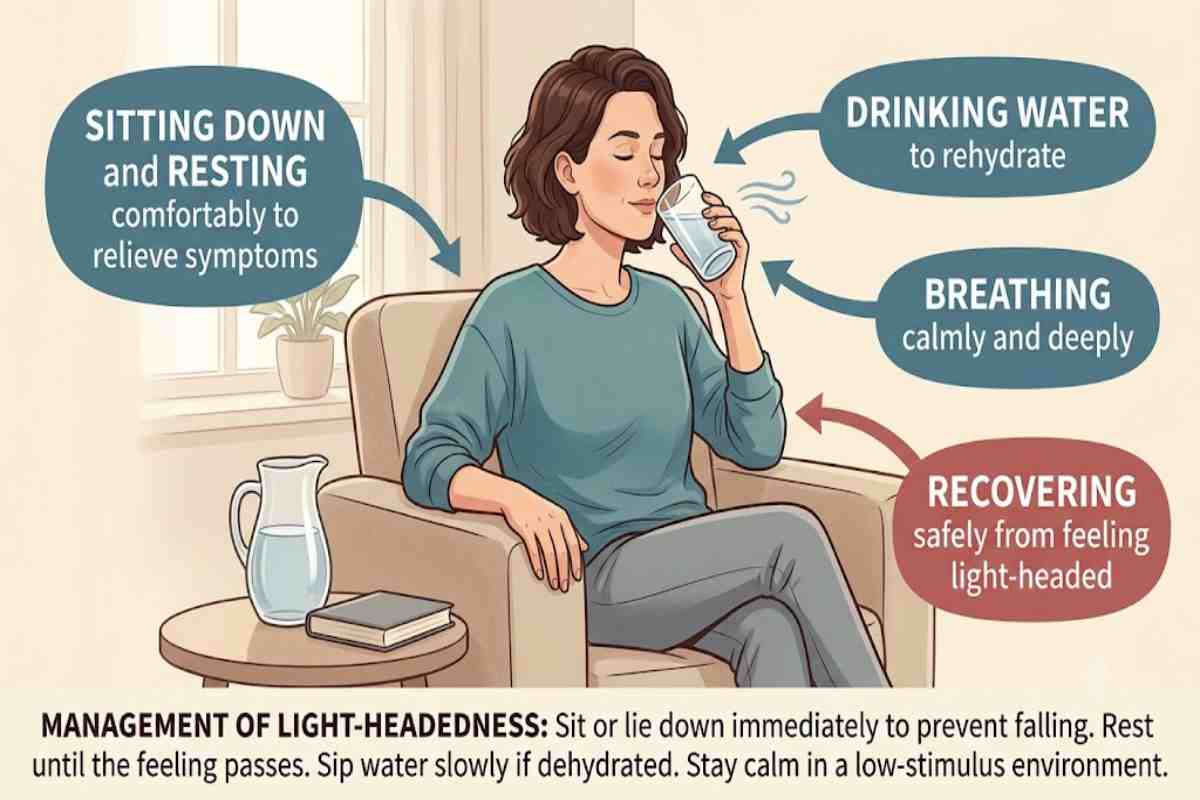
Feeling light-headed can be unsettling, particularly when it happens suddenly. If you are wondering how to stop feeling light-headed, the safest first step is to sit or lie down, avoid sudden movements and consider common triggers such as dehydration, not eating enough, overheating or a sudden drop in blood pressure. However, recurring or severe light-headedness should not simply be treated at home because medicines and medical conditions can also cause it.
What Does Feeling Light-Headed Mean?
Light-headedness usually means feeling as though you might faint or lose your balance. It is different from vertigo, where you feel that you or the room is spinning.
The sensation can happen briefly after standing up quickly, during an illness or after becoming dehydrated. In other situations, it may be associated with low blood pressure, low blood sugar, certain medicines, anaemia, migraine or problems affecting the heart or inner ear.
How to Stop Feeling Light-Headed Safely
If you suddenly feel light-headed, use this simple workflow:
| Step | What to do | Why it may help |
|---|---|---|
| 1 | Sit or lie down | Reduces the risk of falling or fainting |
| 2 | Stay still for a few minutes | Gives the sensation time to settle |
| 3 | Drink water if you may be dehydrated | Fluid loss can contribute to light-headedness |
| 4 | Stand up slowly | Helps avoid a sudden blood-pressure drop |
| 5 | Avoid driving or machinery | Dizziness can make these activities unsafe |
| 6 | Think about possible triggers | Helps identify patterns for future medical advice |
The NHS recommends lying down until dizziness passes, getting up slowly, resting and drinking plenty of fluids. It also advises avoiding potentially dangerous activities while dizzy.
1. Drink Enough Fluids
Dehydration is a common contributor to light-headedness. It can occur after sweating heavily, vomiting, diarrhoea, fever or simply not drinking enough.
Water is generally a sensible first choice. If you have been losing substantial fluid through illness or heavy sweating, ask a healthcare professional whether an oral rehydration solution is appropriate rather than assuming every episode requires one.
2. Change Position Slowly
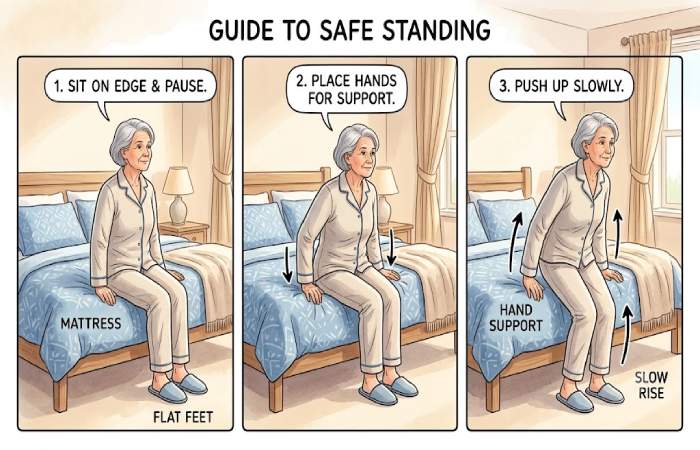
If symptoms occur when moving from lying or sitting to standing, take your time. Sit on the edge of the bed for a moment before standing and use something stable for support if necessary.
A sudden fall in blood pressure after changing position can cause light-headedness.
3. Consider Food and Blood Sugar
Skipping meals can leave some people feeling weak, shaky or light-headed. This is particularly important for people with diabetes or anyone taking medicines that can lower blood glucose.
Do not assume every episode is caused by low blood sugar, though. Repeated symptoms deserve assessment rather than repeatedly treating yourself with sugary foods.
4. Review Recent Medicines
Some medicines can cause dizziness or light-headedness, including medicines that affect blood pressure. If symptoms started after beginning or changing a medicine, speak with your doctor or pharmacist.
Do not stop prescribed medicines suddenly without professional advice.
Common Causes of Light-Headedness
Light-headedness has many possible explanations. Common ones include:
- dehydration or heat exhaustion
- standing up too quickly
- not eating adequately
- low blood pressure
- certain medicines
- stress or anxiety
- migraine
- iron-deficiency anaemia
- illness or infection
- inner-ear problems
The correct response depends on the cause, which is why persistent symptoms should not be self-diagnosed.
Guide to Safe Standing
When Should You Seek Medical Help?
Occasional mild dizziness may settle by itself, but medical advice is sensible when symptoms keep returning, do not go away, become worse or interfere with normal activities.
You should seek urgent medical attention if light-headedness occurs with chest pain, shortness of breath, fainting, severe weakness, an irregular heartbeat, significant vision or speech changes, or difficulty moving an arm or leg. Sudden dizziness accompanied by weakness, speech difficulty or vision problems can be a sign of a serious neurological problem.
A head injury, persistent vomiting, seizure, severe headache or loss of consciousness also warrants urgent assessment.
Light-Headedness vs Vertigo
Understanding the difference can help you describe symptoms accurately to a healthcare professional.
| Symptom | Typical description | Possible causes |
|---|---|---|
| Light-headedness | Feeling faint or as if you may pass out | Dehydration, blood-pressure changes, medicines |
| Vertigo | Feeling that you or the surroundings are spinning | Inner-ear disorders, migraine, BPPV |
| Imbalance | Feeling unsteady while walking | Inner-ear, neurological or other causes |
These sensations can overlap, so a clear description of what you experience is useful during a medical assessment.
Managing Recurring Episodes: What to Expect
There is no single remedy that stops every episode of light-headedness. If dehydration or a temporary positional blood-pressure change is responsible, symptoms may improve after the trigger is addressed. Other causes may require specific treatment.
A healthcare professional may ask when the symptoms began, how long they last, whether they occur after standing, what medicines you take and whether other symptoms occur at the same time. Depending on the situation, assessment can include blood-pressure checks, an ECG, hearing or balance testing, blood tests or other investigations.
The realistic goal is therefore to identify and address the cause, rather than rely on a universal home remedy.
Practical Prevention Tips
If you are prone to light-headedness:
- Drink fluids regularly.
- Avoid standing up abruptly.
- Eat regular, balanced meals.
- Take extra care in hot environments.
- Keep track of when episodes happen.
- Note any connection with medicines, exercise, meals or illness.
- Avoid driving when you feel dizzy or faint.
- Arrange a medical assessment if episodes repeatedly return.
Keeping a simple symptom diary can help identify patterns that may otherwise be difficult to remember.
Frequently Asked Questions
How to stop feeling light-headed quickly?
Sit or lie down until the sensation passes, move slowly and drink water if dehydration may be contributing. Avoid driving or other hazardous activities while you feel light-headed.
Can dehydration make you feel light-headed?
Yes. Dehydration can cause dizziness or light-headedness, particularly when fluid losses are significant.
Why do I feel light-headed when I stand up?
A sudden change in position can cause a temporary drop in blood pressure, producing light-headedness. Standing up more gradually may reduce symptoms.
When is light-headedness an emergency?
Seek urgent medical help if light-headedness occurs with chest pain, breathing difficulty, fainting, severe weakness, speech or vision changes, an irregular heartbeat or inability to move an arm or leg.
Conclusion
Knowing how to stop feeling light-headed starts with basic safety: sit or lie down, rest, hydrate when appropriate and rise slowly. These measures can help when the cause is temporary, but they are not a substitute for diagnosis. If episodes are frequent, persistent or accompanied by concerning symptoms, speak with a healthcare professional to determine the underlying cause rather than repeatedly treating the sensation yourself.